
The Heritage
A Heritage woven in gold,
pearl, and ancient wood
Every piece Klara Haloho creates carries the fingerprint of two of the world's most extraordinary craft cultures — the ancestral Batak traditions of North Sumatra and the spiritual artisan legacy of Bali. This is that story.
Tap a region to explore
17,000 islands. Three regions shaped Klara. Each one left something in her work you can see and feel today.
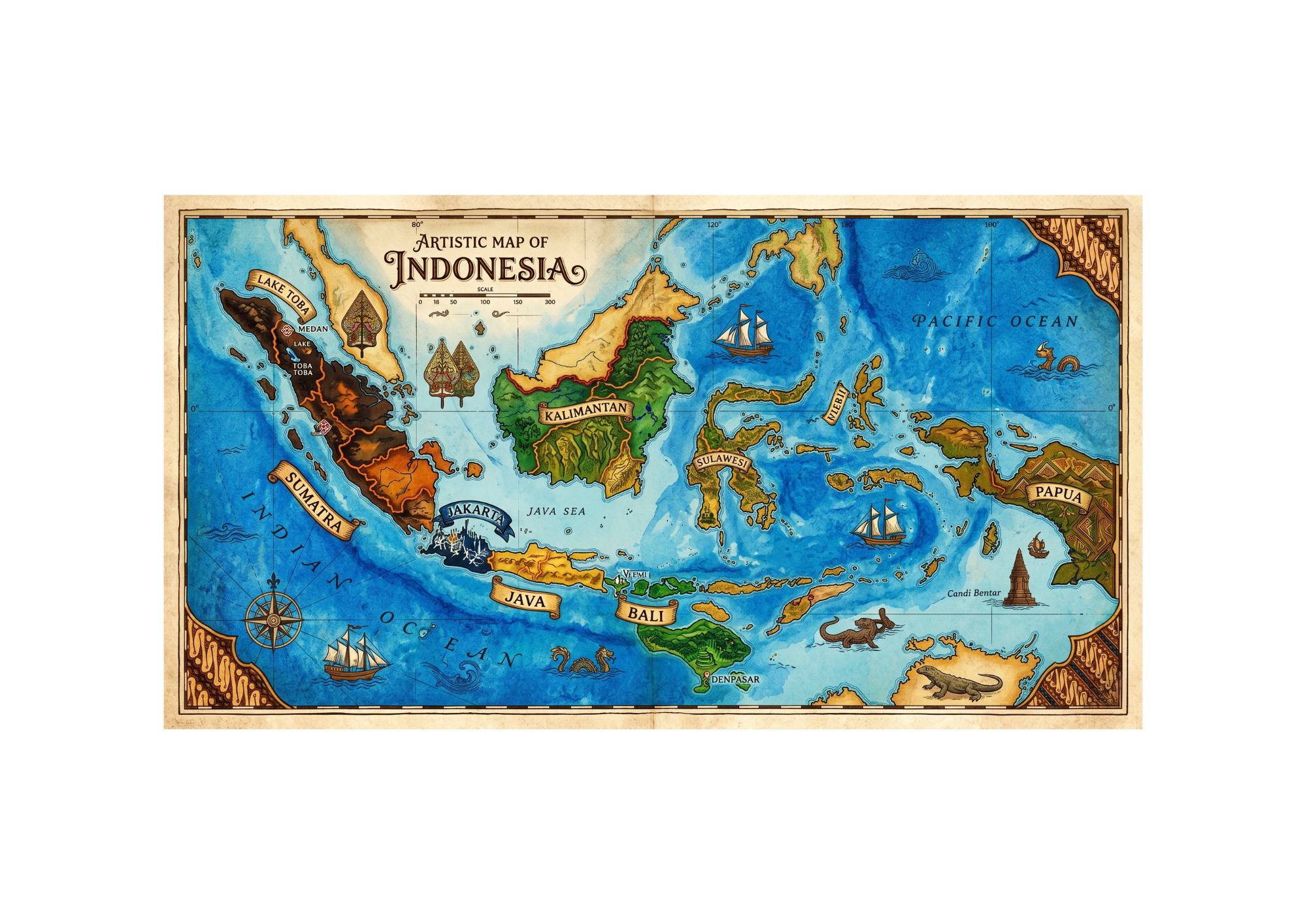
Lake Toba is the world's largest volcanic caldera lake — formed by a supervolcanic eruption approximately 74,000 years ago, one of the largest in Earth's history. Within this ancient lake sits Samosir Island, and within Samosir, the Toba Batak people trace their very origin. Their mythology holds that the first ancestors descended from God to the sacred mountain of Pusuk Buhit on the lake's shores and spread across the archipelago from there.
This is Klara's origin. She was born on Samosir — an island within a lake within an island. The Batak culture surrounding her was one of extraordinary social structure, where identity is not personal but genealogical. Every person carries a Marga — a clan name passed through the paternal line — that determines their place in a web of relationships stretching back generations. Klara's Marga is Haloho.
Bali is the world's greatest living example of a culture that refuses to separate the aesthetic from the spiritual. The island operates on the philosophy of Tri Hita Karana — a tripartite harmony between humanity, nature, and the divine. For Balinese artisans, the act of creating is itself a spiritual act. In the woodcarving village of Mas, carvers begin their work with offerings and prayers to Dewi Saraswati, goddess of wisdom and arts. In the silver village of Celuk, techniques of granulation and filigree — the arrangement of microscopic metal beads and threads — produce works virtually impossible to replicate by machine.
Klara spent a significant part of her life in Bali, absorbing a design philosophy rooted in natural materials, spiritual intention, and generational craft knowledge. She still has family there and returns every year. You'll often find pieces in her boutique sourced directly from Balinese artisans she visited on her most recent trip home.
Jakarta is where millions of island-born Indonesians come to study, work, and build a future — carrying their heritage with them while engaging with a larger world. For Klara, Jakarta was the city of education, of stepping into a wider professional identity while remaining deeply connected to the ancestral world she came from.
The Batak people have a word for this journey: Mangaranto — migration. It is understood not as an abandonment of home but as a natural extension of identity. A Batak person who moves to Jakarta does not leave their Marga behind; they carry their Bona Pasogit — their ancestral village — in their heart wherever they go. Klara's time in Jakarta, and later in Kuwait, and finally in America, embodies this. She moved across the world without ever losing where she came from.
The Haloho legacy
In Batak culture, a name is not merely identification. It is genealogy, social contract, and spiritual identity all at once.
Every Batak person carries a Marga — a patrilineal clan name — throughout their entire life and passes it to their children. This is not tradition in the nostalgic sense. It is a living operating system that governs social relationships, determines who you may marry, who will support you in crisis, and how you are addressed in every ceremony from birth to death.
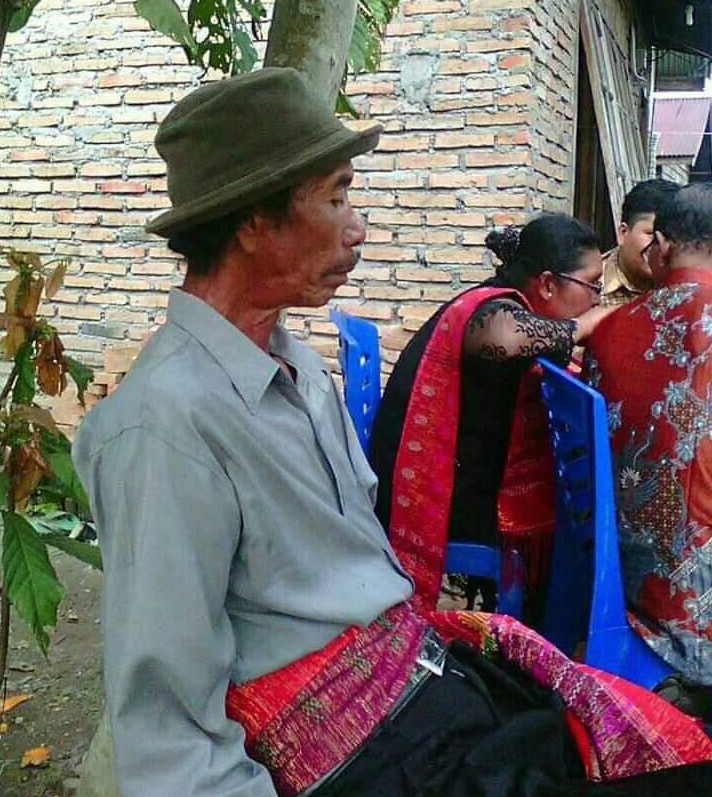
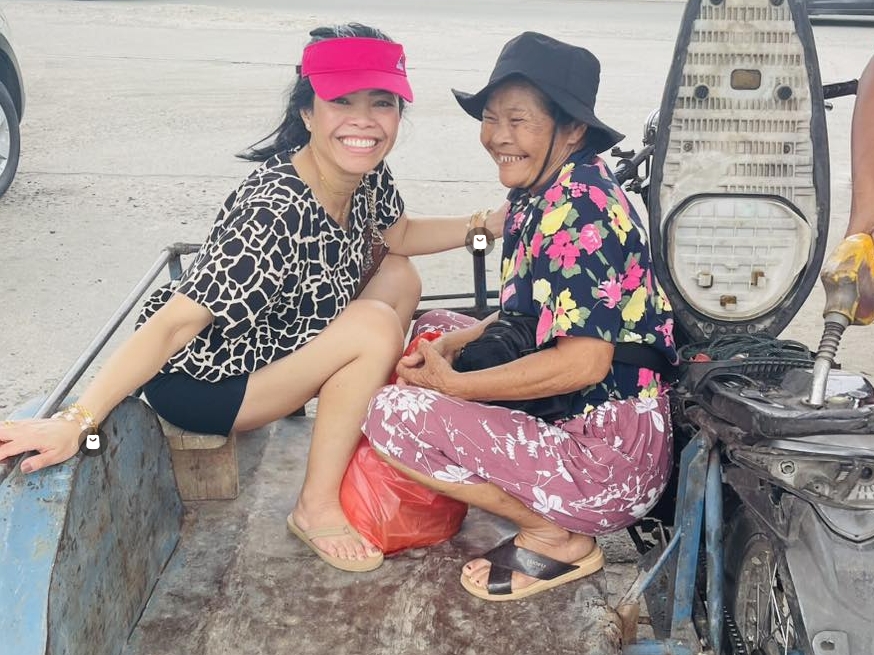
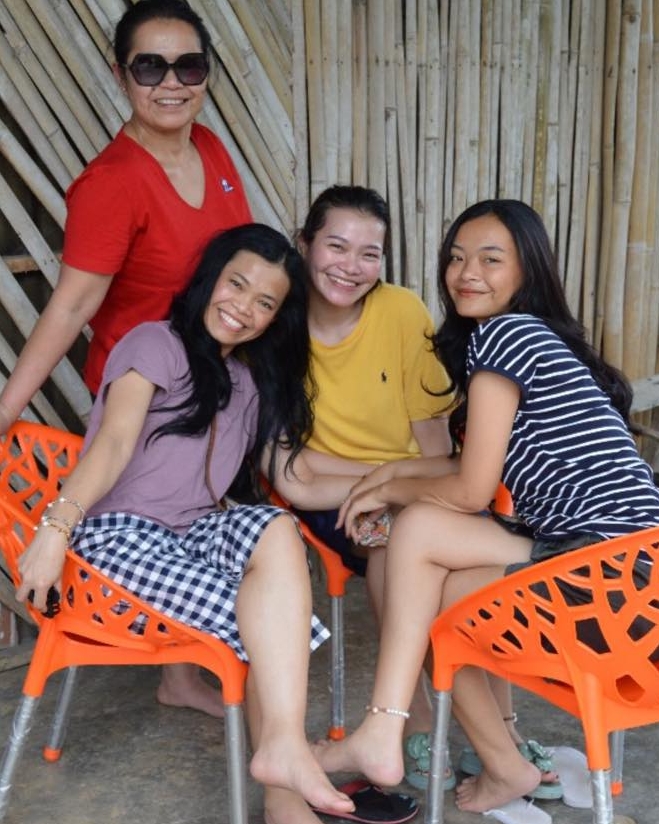
When Klara built her boutique in Destin and named it after herself, she was — knowingly or not — doing what every Batak person does when they Mangaranto (migrate): carrying the Marga forward into a new place, making it mean something new while losing nothing of what it already meant. Klara Haloho the boutique is, in the deepest sense, a Batak act.
The philosophy that shaped Klara's artistic worldview — and explains why walking into her boutique feels the way it does.
Craft that cannot be replicated by machines
The village of Celuk, just south of Ubud in Bali, has been the center of Balinese silver and gold craftsmanship for centuries. The techniques practiced here — granulation and filigree — are among the most demanding in the entire world of jewelry making. Granulation involves the meticulous arrangement of microscopic beads of precious metal into complex patterns; filigree uses fine metal threads twisted into lace-like structures. Both require a level of hand precision that no machine has ever successfully replicated.
Twenty minutes north, the village of Mas has been the center of Balinese woodcarving since the 9th century. In Mas, the process of carving begins with offerings to Dewi Saraswati, the goddess of wisdom and arts. The carver is understood not as the creator but as the medium — the form is believed to already exist within the wood; skilled hands simply reveal it. This philosophy — that beauty is found, not manufactured — runs directly through Klara's approach to every piece she makes.
The global luxury market has increasingly recognized what Bali has always known: that handmade, spiritually intentional craft has a quality no factory can produce. What Klara brings to Destin Commons is a direct line to that tradition — decades of exposure, relationship, and respect for the artisans who keep these ancient practices alive.
The Ulos — and the bond that lasts
For the Batak people of Sumatra, textiles are not clothing. The Ulos — a hand-woven sacred fabric — is presented between families as an exchange of blessings, a ritual object that marks the most significant moments of human life: birth, marriage, and death.
When the Hula-hula (the wife's family) presents an Ulos to the Boru at a wedding, they are not giving cloth. They are giving spiritual protection, warmth, and the blessing of their lineage. The fabric carries meaning that words cannot fully hold. It is worn as an act of belonging — a visible bond between two families that existed before the ceremony and will outlast it.
Klara grew up in a culture where this concept — that what you wear can carry the weight of relationship, of protection, of permanent belonging — is entirely natural. It is perhaps the deepest reason why permanent jewelry resonates so profoundly for her. Both traditions understand the same truth.
How the old world lives in every piece
Every tradition, every philosophy, every technique Klara absorbed across a lifetime in Indonesia — you can find it in what she makes and sells at Destin Commons.
Come find the heritage
for yourself
"Not in all waters may pearls grow. With the water, the climate, and even the bacteria, there must be harmony." — Klara Haloho